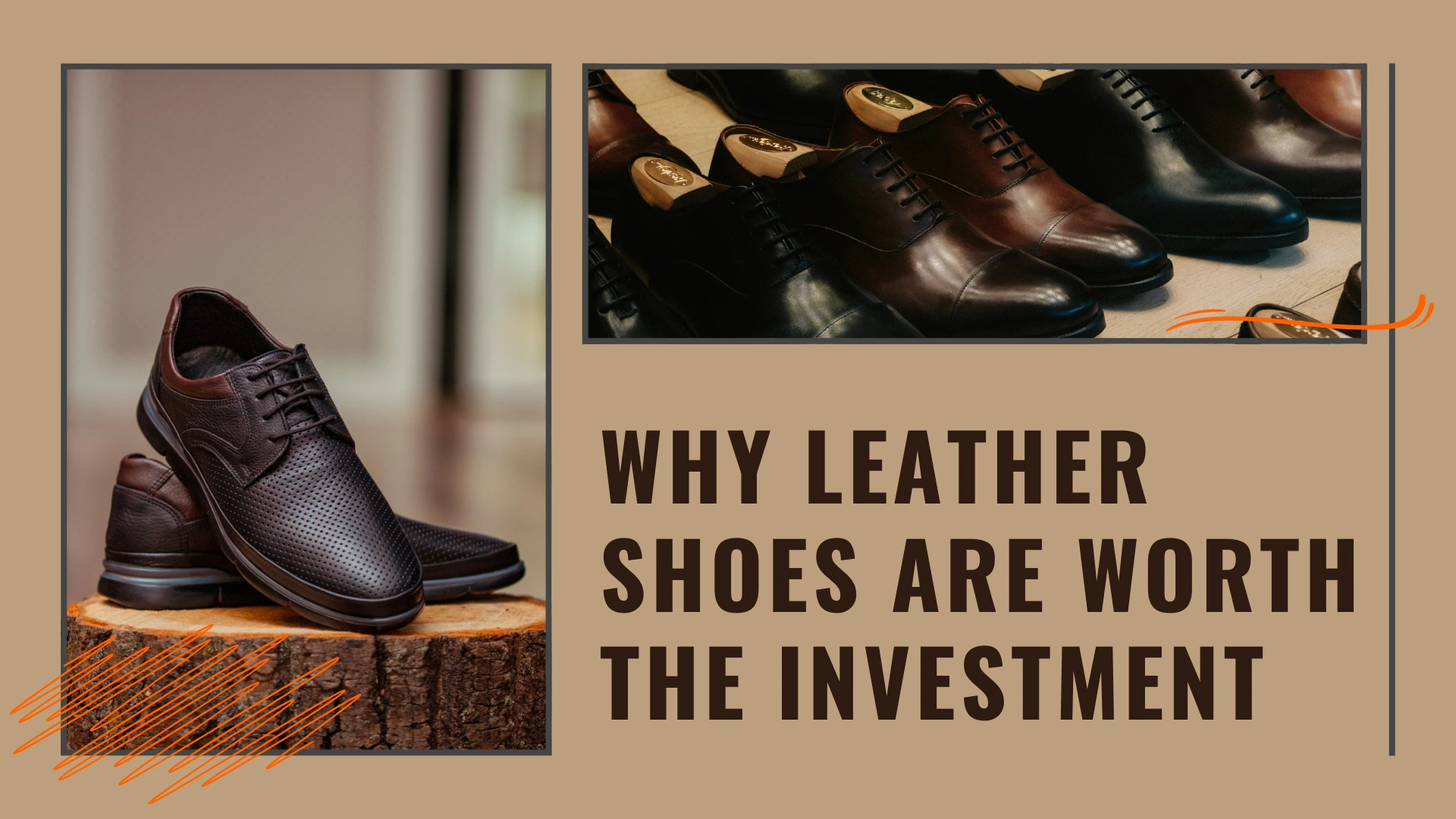
Why Leather Shoes Are Worth the Investment
In a world filled with fast fashion and synthetic footwear, leather shoes stand out as a symbol of quality, durability, and timeless elegance. While the upfront cost of genuine leather shoes may be higher than mass-produced alternatives, their value becomes evident in the long run. From superior comfort to long-lasting style, leather shoes offer benefits that make them a smart investment for both men and women.
The Timeless Nature of Leather Shoes
Leather shoes have been worn for centuries, with evidence of their use dating back to ancient civilizations. Unlike other materials, leather has consistently remained relevant in both casual and formal fashion. Whether it’s polished dress shoes for the office, rugged boots for outdoor wear, or casual loafers for daily use, leather footwear has a universal appeal that never goes out of style.
Durability That Outlasts Alternatives
One of the main reasons leather shoes are worth the investment is their durability. Genuine leather is far tougher than synthetic materials, resisting wear and tear for years.
- Tough but Flexible: Unlike cheap shoes that crack or tear, leather adapts to movement while maintaining strength.
- Resilient Soles and Uppers: Quality leather shoes often have stitched rather than glued soles, adding to their lifespan.
- Patina Development: Over time, leather develops a rich patina, enhancing its appearance rather than degrading.
A well-made pair of leather shoes can last up to a decade with proper care—something synthetic shoes can rarely achieve.
Comfort That Improves Over Time
Unlike synthetic materials that remain stiff, leather gradually molds to the shape of your feet. This personalized fit creates unmatched comfort.
- Breathability: Leather is naturally porous, allowing air circulation and reducing moisture buildup.
- Odor Resistance: By wicking away sweat, leather shoes minimize odors that commonly plague synthetic footwear.
- Reduced Blisters: Over time, leather adapts to your foot’s structure, preventing rubbing and discomfort.
This adaptability is what makes people say leather shoes “break in” and become more comfortable with every wear.
Versatility Across Occasions
Leather shoes are highly versatile and can complement almost any wardrobe:
- Formal: Oxfords, derbies, and loafers elevate business attire and formalwear.
- Casual: Leather sneakers and boots pair perfectly with jeans or chinos.
- Outdoor: Sturdy leather boots withstand tough environments while offering protection and support.
Whether at a wedding, office meeting, or weekend outing, leather shoes adapt seamlessly, reducing the need to own multiple pairs for every occasion.
Long-Term Value and Cost Efficiency
While leather shoes cost more upfront, their longevity makes them cost-effective over time. For example:
- A $150 pair of leather shoes lasting 7 years costs roughly $21 per year.
- A $50 pair of synthetic shoes lasting 1 year costs $50 per year.
The math makes it clear—investing in quality leather pays off in the long run. Additionally, leather shoes can often be re-soled or repaired, extending their lifespan even further.
Caring for Leather Shoes
Proper care ensures your leather shoes last decades:
- Polish Regularly: Polishing maintains shine and protects the surface.
- Conditioning: Use leather conditioner to prevent cracks and keep the material supple.
- Storage: Store shoes with cedar shoe trees to absorb moisture and maintain shape.
- Weather Protection: Use waterproof sprays or waxes to protect against rain and snow.
By dedicating a little time to care, you safeguard your investment.
Leather vs. Synthetic Shoes
| Feature | Leather Shoes | Synthetic Shoes |
|---|---|---|
| Durability | Can last years or decades | Typically lasts months to 1 year |
| Comfort | Molds to feet over time | Often stiff, little adaptation |
| Breathability | Naturally breathable | Traps heat and sweat |
| Style Longevity | Timeless, develops patina | Wears out and looks old fast |
| Cost Efficiency | Higher upfront, cheaper long-term | Cheap upfront, costly to replace |
This comparison shows why leather shoes remain a superior choice.
Leather Shoes in Fashion and Culture
Throughout history, leather shoes have been a mark of sophistication. Business professionals often view them as essential attire, while high-end fashion designers continually showcase leather footwear on runways. Celebrities and influencers highlight leather shoes not just as accessories, but as statements of class and taste.
In many cultures, leather shoes are even associated with respect and professionalism, making them a must-have for important life moments like job interviews, weddings, and graduations.
Eco-Friendly and Sustainable Options
In today’s world, sustainability is a growing concern. Fortunately, many brands now produce leather shoes using eco-conscious methods:
- Vegetable Tanning: Uses natural tannins from plants instead of harsh chemicals.
- Ethically Sourced Leather: Ensures hides are by-products of the food industry, reducing waste.
- Vegan Alternatives: For those avoiding animal products, plant-based and recycled materials offer similar aesthetics.
While traditionalists prefer genuine leather for its durability, these modern approaches make leather footwear more sustainable and inclusive.
Why You Should Own Leather Shoes
Here are five reasons genuine leather shoes are worth adding to your wardrobe:
- Durability that saves money over time.
- Comfort that improves with age.
- Versatility suitable for casual and formal wear.
- Timeless elegance that never goes out of fashion.
- Repairability, allowing them to last decades.
Conclusion
Leather shoes are more than just footwear—they’re an investment in style, comfort, and long-term value. While cheaper alternatives may seem appealing, they can’t match the durability, breathability, and elegance of genuine leather. Whether for work, special events, or everyday wear, leather shoes are a classic choice that pays dividends for years.
For anyone who values quality over quantity, leather shoes prove why some things truly are worth the investment.